
Second floor, Max Arcade No 5, Veliyannur, Thrissur, Kerala 680001
We are ready to lead you into the exciting world of architecture and interior design.
Second floor, Max Arcade No 5, Veliyannur, Thrissur, Kerala 680001
We are ready to lead you into the exciting world of architecture and interior design.
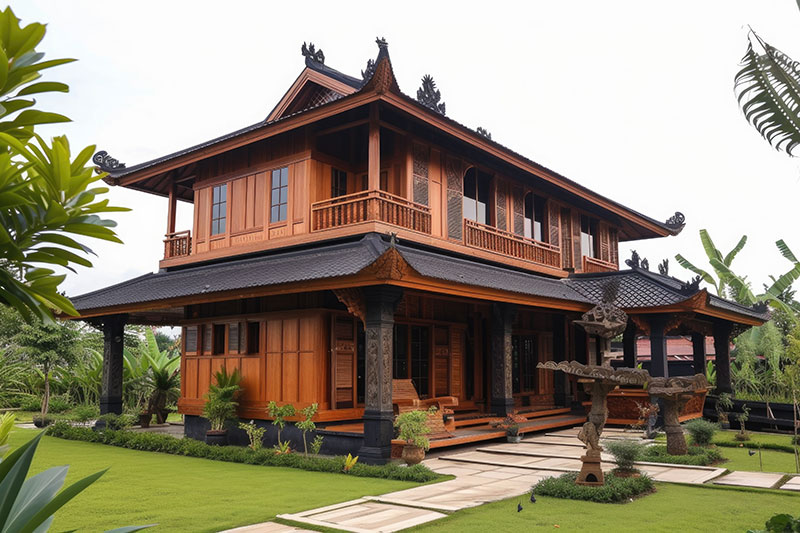
The architectural trends in Kerala are largely affected by the tropical conditions, the heavy monsoons in the state, the rich cultural heritage of the place, and the ever-changing lifestyle requirements of the people. In most cases, homeowners and developers are faced with the question of choosing between modern architecture and traditional Kerala architecture.
“The solution is not in preferring one over the other, but in really knowing what will work best for Kerala.”
Traditional Kerala architecture developed over centuries, perfectly responding to the state’s hot, humid climate and intense rainfall.
Key Features
Sloping tiled roofs that quickly drain rainwater
Nadumuttam (central courtyard) for ventilation and daylight
Deep verandahs and wide eaves to protect walls from sun and rain
Use of local materials like laterite stone, clay tiles, and timber
Advantages
Naturally cool interiors with minimal reliance on air conditioning
Eco-friendly and sustainable due to local materials and passive design
Strong cultural identity and timeless aesthetic appeal
Limitations
Higher maintenance, especially for wood and tiled roofs
Traditional layouts may not suit modern nuclear families
Limited flexibility for modern amenities and open spaces
Traditional architecture works exceptionally well for heritage homes, large residential plots, and climate-focused designs, but may need adaptation for contemporary lifestyles.
Modern architecture emphasizes functionality, simplicity, and technology, making it popular in urban and semi-urban Kerala.
Key Features
Open floor plans and minimalistic design
Use of concrete, steel, glass, and modern finishes
Smart home integration and energy-efficient systems
Faster construction using modern techniques
Advantages
Highly flexible layouts suited to modern living
Easier integration of technology and automation
Ideal for compact plots, apartments, and commercial buildings
Limitations
Poor climate response if designed without local context
Flat roofs and large glass facades can increase heat and energy use
May lack cultural connection to Kerala’s architectural identity
Modern architecture works best when climate-responsive strategies are consciously included in the design.
In Kerala’s climate and cultural setting, a hybrid architectural approach works best. Many architects now combine traditional wisdom with modern design principles.
How Hybrid Architecture Works
Sloped roofs with modern waterproofing systems
Courtyards or atriums adapted to contemporary layouts
Shading elements inspired by traditional verandahs
Natural ventilation combined with modern insulation
Traditional materials used selectively with modern construction methods
Benefits
Improved thermal comfort and reduced energy costs
Modern functionality without losing cultural identity
Sustainable, climate-responsive, and visually appealing homes
What Works Best in Kerala?
For individual homes: A modern-traditional fusion offers the best balance of comfort, sustainability, and aesthetics
For urban and commercial buildings: Modern architecture works well when adapted to Kerala’s climate
For heritage and cultural spaces: Traditional architecture remains unmatched
